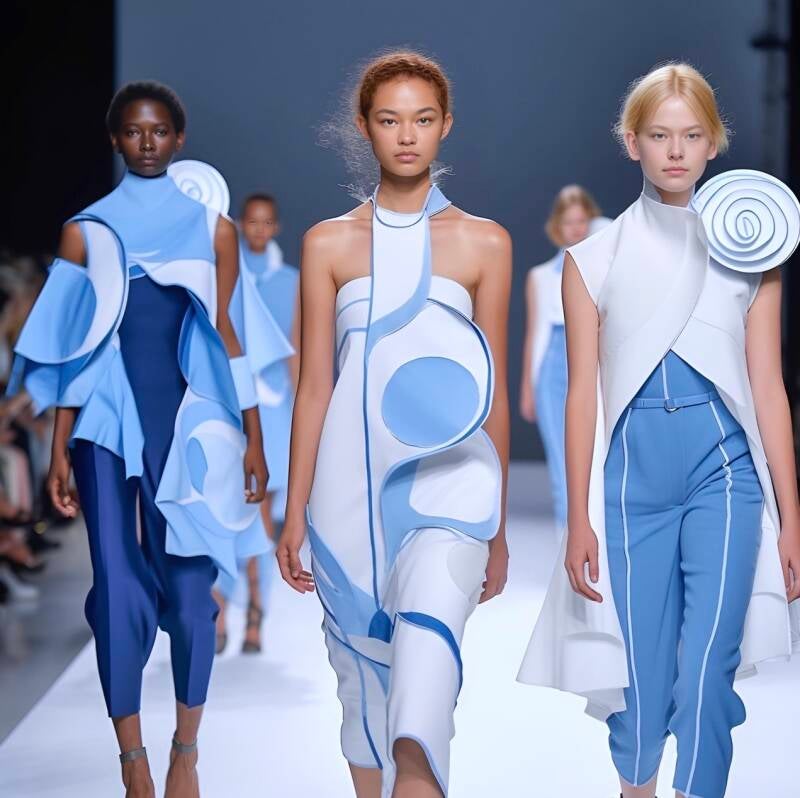
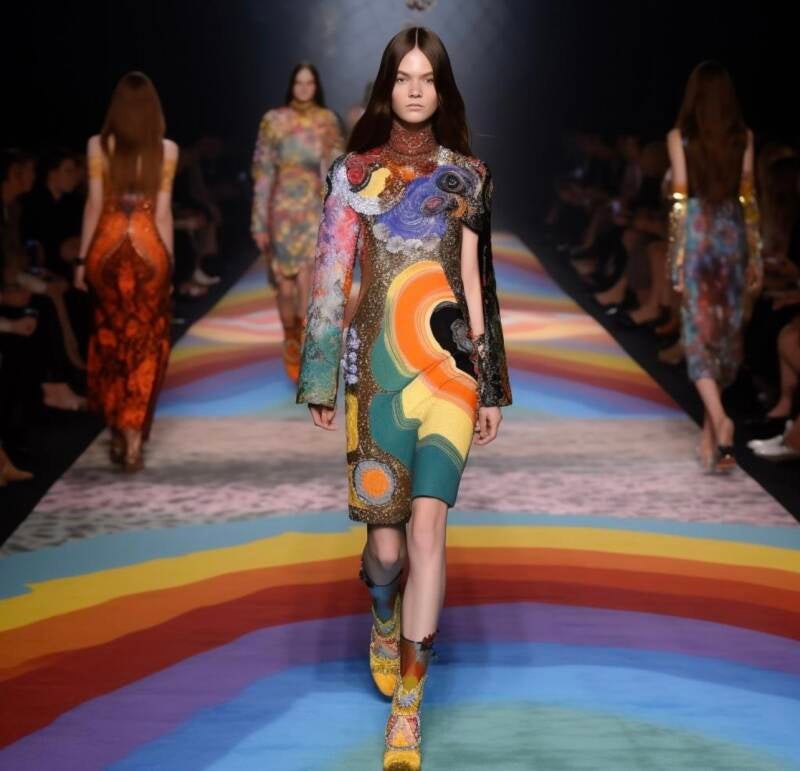
Collina Strada, AI-assisted runway collection
The Future of Fashion: How Artificial Intelligence is defining the Industry
Fashion has always been an industry build on reinvention. This industry has always existed at the intersection of creativity and innovation. Throughout history, advancements in technology have transformed the way clothing is designed, produced marketed and consumed. The sewing machine revolutionized garment construction, digital designed software charged the creative process, and e-commerce reshaped the relationship between brands and consumers.
Today, artificial intelligence (AI) is becoming one of the most influential technologies entering the fashion industry. From predicting trends and creating digital designs to impacting supply chains and personalizing shopping experiences. AI is changing the way fashion operates.
However, unlike previous technological shifts, AI raises a more complicated question: what happens when technology begins influencing the creative process itself? While some view AI as an exciting new tool that can increase efficiency and inspire inspiration, others worry that it could threaten originality, human craftsmanship, and the personal storytelling that has always defined fashion.
As the industry continues to experiment with AI, the conversation is becoming less about whether AI will impact fashion and more about how much influence it should have.
How is AI is Being used in Fashion?
Trend Forecasting and Consumer Analysis
One of the most common uses of AI in fashion is trend forecasting. Traditionally, fashion forecasting relied on designers, trend analysis, cultural research, runway observations, and industry experience. Today, AI can analyze enormous amounts of data from sources such as social media, online searches, purchasing behaviors, and consumer preferences to identify emerging patterns. For fashion companies, this can provide valuable insight into what consumers may want before products are created. Brands can use AI to better understand demand, reduce excess inventory, and make decisions based on real-time information.
However, relying heavily on data-driven forecasting may also create limitations. Fashion trends are not always predictable. Some of the most memorable moments in fashion history came from unexpected movements, individual expression, or designers challenging existing norms. While AI can recognize pattern, it will struggle to understand the cultural emotions and personal meanings that often drive movements in the fashion industry.
AI in Fashion Design
Perhaps the most debated use of AI is its role in the design process. AI-powered programs can generate images, suggest color palettes, experiment with silhouettes, and help designers visualize concepts quickly. For some designers, this technology offers a new way to explore ideas and overcome create challenges. AI can also provide opportunities for smaller brands and independent designers by offering tools that were previously only available to companies with larger budgets and teams.
Critics argue that fashion design is more than producing visually appealing concepts. Fashion is deeply connected to human experiences, cultural influences, and personal perspectives. A designer's background, emotions, and intentions often have the meaning behind their collections. Because AI learns from existing information, concerns have emerged about whether AI-generated designs represent rue creativity or simply a combination of previous ideas. There are also ongoing debates surrounding copyright, originality, and whether AI systems may unintentionally replicate the work of existing designers.
AI and the Consumer Shopping Experience
Artificial intelligence is also changing how consumers interact with fashion brands. Many retailers are using AI-powered recommendation systems to suggest products based on shopping history, browsing habits, and personal preferences. Virtual styling tools and digital fitting technologies aim to make online shopping more personalized by helping customers visualize clothing before purchasing. Supporters argue that these technologies could improve convenience and reduce issues such as incorrect sizing and excessive returns.
At the same time, some consumers question how much personalization is beneficial versus intrusive. The more brands rely on personal data to predict shopping behaviors, the more concerns arise about privacy and the influence technology has over consumer choices. There is also debate about whether highly personalized shopping experiences encourage individuality or simply place consumers into categories based on algorithms.
AI and Sustainability in Fashion
Sustainability has become one of the fashion industry's most important challenges, and AI is often discussed as a possible solution.
AI can assist brands with inventory management, demand forecasting, and supply chain organization. By better predicting consumer demands and behaviors, companies may be able to reduce overproduction and minimize waste. AI is also being explored in areas such as textile development, material innovation, and recycling systems.
However, AI is not automatically a sustainable solution. The technology itself requires significant energy and resources to operate. Additionally, some critics argue that using AI to increase production efficiency does not address deeper issues within fashion, such as overconsumption and the constant pressure to create new trends. Sustainability is not only a technological challenge; it is also a cultural and consumer behavior issue.
The Advantages of AI in Fashion
- Increased Efficiency
- AI can process large amounts of information quickly, helping fashion companies make decisions about production, marketing, and inventory management.
- New Creative Possibilities
- Designers can use AI tools to experiment with concepts, explore new ideas, and visualize designs in different ways.
- Improved Consumer Experiences
- Personalized recommendations and digital tools may make shopping more convenient and help customers find products that better fit their needs.
- Support for Emerging Brands
- AI technology may provide smaller designers with affordable tools that allow them to compete in an industry traditionally dominated by large brands.
The Concerns Surrounding AI in Fashion
A major concern is whether AI could change the definition of creativity within fashion. If designers rely too heavily on algorithms, some worry that fashion may become more focused on what data predicts will succeed rather than what feels innovative or meaningful.
As AI becomes more capable, certain roles within fashion may be affected. Areas such as trends research, marketing, customer service, and some design-related tasks could be increasingly automated. While technology may create new career opportunities, it may require workers to adapt to a changing industry. Fashion has historically valued craftsmanship, artistry, and human skill. Increased reliance on AI could reduce appreciation for traditional techniques and the time-intensive processes behind handmade garments. The use of AI raises complicated questions about ownership and responsibility. If an AI-generated design is influence by thousands of existing works, determining who deserves credit can become difficult. The fashion industry is still developing standards for how AI should be used ethically.
Where does AI Belong in Fashion?
Artificial intelligence represents one of the biggest changes the fashion industry has experienced in recent years. Like many technological advancements, it offers both opportunities and challenges. The strongest argument in favor of AI is that it can provide valuable tool for efficiency and problem solving. It has the potential to help designers, brands, and consumers navigate an increasingly complex industry.
However, the concerns surrounding AI should not be ignored. Fashion has always been more than data, prediction, and production. It is an industry built on emotion, culture, identity, and expression. The greatest risk is the possibility of allowing technology to replace quality that make fashion meaningful. If fashion becomes entirely driven by algorithms, there's a large chance that individuality and experimentation could become less important.
The future of AI in fashion will likely depend on balance. Technology may become a powerful resource, but the role it plays should remain carefully considered. Fashion's history has always been shaped by change, but its lasting impact has always come from the people behind it. AI can analyze trends, generate ideas, and improve systems, but, the question of what fashion represents will continue to be answered by human creativity.
In the end, the future of fashion may not be about choosing between humans and machines. It may be about deciding how technology can exist within an industry where the most valuable element has always been the reflection of experiences, emotions, and culture. The future of fashion will not be determine solely by how advanced AI becomes, but how thoughtfully the industry chooses to use it. The most important conversation is not whether or not AI belongs in fashion, but where its influences should begin and end. We must decide how we will create alongside artificial intelligence.
Feel free to leave any comments below to share your thoughts!
Add comment
Comments