The fashion industry used to have a fairly predictable power structure: designers created the clothes, luxury houses created the fantasy, retailers sold the product, and magazines decided what was worth talking about. Social media changed the conversation. Now, the people shaping fashion may not be sitting in a design studio-or even working for a fashion company at all.
Fashion is becoming increasing difficult to categorize.
Luxury companies are moving deeper into retail. Retail groups are buying stakes in fashion houses. Creators are becoming entrepreneurs. Social media platforms are becoming shopping destinations. Consumers are increasingly deciding what is culturally relevant before the traditional fashion establishment has time to catch up.
The result is a fashion industry where the lines between luxury, retail, media and influence are becoming almost impossible to separate. Perhaps the clearest example of this shift is happening right now.
When Retail Wants a Seat at the Luxury Table
One of the biggest fashion-business stories this week is Frasers Group increasing its stake in Hugo Boss to nearly 48 percent, making the British retail conglomerate the German fashion house's largest shareholder. The move comes after Frasers' attempted takeover of Hugo Boss was rejected earlier this year, with the fashion company arguing that the offer undervalued the brand.
On the surface, this might look like another corporate acquisition story, but it isn't.
Frasers Group is historically associated with retailers such as Sports Direct, but its ambitions have expanded considerably. The company has acquired luxury retailer Harvey Nichols and accumulated stakes in British luxury names including Burberry and Mulberry. It also operates more than 90 luxury department stores through is wider portfolio. In other words, the retailer isn't simply selling fashion anymore. It wants a hand in deciding what fashion looks like. That distinction matters. For decades, luxury brands held much of the power because they controlled the product, the image, and the distribution. Retailers were the middlemen. Today, major retail groups can possess enormous amounts of information about what consumers actually buy, where they shop, and how they respond to products. That knowledge is power. Frasers' growing influence over Hugo Boss represents a larger question for the industry: Could the future of luxury belong as much to the companies that understand the consumer as it does to the companies that create the product?


The Luxury Consumer has Changed
Luxury fashion is also confronting a consumer who is increasingly asking a simple question: Is it worth it?
The days when a logo alone could justify an enormous price tag are becoming harder to maintain. Consumers are more informed, more exposed to alternative and more comfortable comparing luxury with contemporary brands, vintage, resale and independent designers. That doesn't mean people have stopped wanting luxury. Quite the opposite. It means luxury has to offer something beyond exclusivity. It needs storytelling, quality, cultural relevance, design credibility, experience, and, perhaps most importantly, a reason to care.
Hugo Boss is a particularly interesting case study. The brands has spent the last several years repositioning its Boss and Hugo labels for different generations and investing heavily in marketing, digital capabilities and celebrity partnerships. Yet the company has recently faced slowing sales, demonstrating how difficult it can be to maintain momentum once the excitement surrounding a rebrand begins to settle. Luxury isn't disappearing, but the definition of luxury is changing.
Enter the Creator
If retail is becoming more powerful, so are the people who have traditionally been considered "just" marketers. Creators have become some of fashion's most influential tastemakers. The numbers make it very difficult to ignore. The global creator economy is currently estimated around $250 billion, with Goldman Sachs forecasting that it could reach approximately $480 billion by 2027. U.S. creator advertising spend is expected to reach $44 billion in 2026. But, the most interesting part isn't the amount of money being spent. It is where the influence is coming from. A creator doesn't necessarily need millions of followers to influence fashion anymore. A smaller creator with a highly engaged audience can have something more valuable than reach: trust. That changes the relationship between brands and creators. The creator isn't simply wearing the product. They are providing the context around it. They tell consumers how to style it, where to wear it, why they like it, what it reminds them of, what it looks like in real life, and sometimes, most importantly, whether it is actually worth buying. That can be more persuasive than a traditional advertisement ever was.


From Influencer to Business
The creator economy is also evolving beyond sponsored posts. Today's most successful creators are increasingly becoming businesses themselves. They launch clothing lines, build beauty brands, create product collaborations, open stores, sell through affiliate platforms, develop their own intellectual property, and cultivate communities that exist beyond and single social media platform. The distinction between "influencer" and "fashion entrepreneur" is becoming increasingly blurry. Take the rise of creator-founded brands. A creator can begin by recommending clothes, develop an audience around their personal style, identify what that audience wants and eventually create the product themselves. Suddenly, the traditional fashion process has been reversed.
Instead of:
Designer -> Brand -> Retailer -> Consumer
we increasingly have:
Creator -> Community -> Product -> Consumer
And sometimes, there isn't a retailer in the middle at all.
Bigger Doesn't Always Mean Better
There is a very important catch. The creator economy is experiencing its own fatigue. Consumers are becoming more skeptical of endless sponsorships while creators themselves are experiencing burnout from constantly producing content.
Vogue recently described the current moment as one where both consumers and influencers are exhausted by the shear volume of content being produced. That creates a fascinating contradiction. Fashion has never had more access to consumers, but consumers have never had more reasons to tune out. This is why authenticity has become one of the industry's most valuable- and most overused- words.
People don't necessarily want more content. They want content that feels like it came from an actual person. They want an opinion. They want personality. They want expertise. They want to know that someone actually believes the product is worth talking about. This may explain another emerging trend: luxury brands are increasingly partnering with writers, intellectuals and cultural figures rather than relying exclusively on traditional influencers.
Recent collaborations involving brands such as Miu Miu, Dior, J.Crew, Valentino, and Coach demonstrate an increasing interest in cultural credibility and expertise. The message is clear: Influence isn't necessarily about being the loudest person in the room anymore. Sometimes it's about being the most interesting.
Social Media Isn't Just Marketing Anymore
Perhaps the biggest transformation of all is that social media has stopped being simply a place where fashion brands advertise. It has become part of the retail experience. A consumer can discover a jacket on TikTok, watch someone style it on Instagram. read comments from other shoppers, click a product link, purchase it and post their own outfit- all without ever visiting a traditional fashion publication or physical store. The entire fashion funnel can happen inside a phone. That means social media is no longer sitting at the end of the fashion process.
It is woven throughout the entire process. It influences what gets designed, photographed, stocked, sells, and what becomes a trend.
The Store is Becoming Content
The physical store isn't necessarily losing its relevance. It is changing its purpose. Retailers are increasingly asking themselves why consumers should physically visit a store when almost anything can be purchased online. The answer is experience. Stores can offer styling appointments, customization, events, community, exclusive products and environments that consumers actually want to photograph and share.
Nike and Foot Locker, for example, recently introduced a new Los Angeles store concept centered around community and culture rather than simply functioning as another retail location. This represents an important evolution. The modern store ins't competing with Instagram. It can become Instagram.
A well-designed fitting room, a pop-up event, a celebrity appearance or a unique product installation can become content before the customer ever makes a purchase. Retail and media are becoming intertwined.
The Specialty Store Advantage
In an industry increasingly driven by algorithms, analytics and digital discovery, specialty stores have something that can't always be measured in a dashboard: the human relationship.
A customer walking into a specialty fashion store isn't simply interacting with a product. They are interacting with people who understands the merchandise, recognize their preferences, and can help translate a trend into something that actually works for their individual style. A good sales specialist can know which silhouette a customers will reach for, which brands fit them best, and which new trend they might be willing to try- all before an algorithm has figured it out. That personal connection is becoming increasingly valuable.
Large retailers have access to enormous amounts of consumer date, but specialty stores often have something different: proximity to the customer. Employees are on the selling floor watching what people gravitate toward, listening to what they are asking for, and seeing which pieces make the customers genuinely excited. Those conversations can provide a kind of real time fashion intelligence that isn't always visible in sales reports.
In an industry where consumers are constantly being told what to buy, there is something different and refreshing about being helped by an actual person.
This doesn't mean specialty retail is immune to the challenges facing brick and mortar stores. Consumers have more choices than ever, and online shopping makes comparison easier than ever. But, it does mean specialty stores have an opportunity to compete on something the internet can't fully replicate: personalized expertise and genuine connection.
The future of specialty retail may not be about competing with social media or e-commerce at all. It may be about connecting the two. A consumer might discover a trend on TikTok, see it styled on Instagram, and then walk into a specialty store looking for help making it their own. The retailer becomes the final- and often most personal- step between digital inspiration and real-life style.
In that sense, the specialty store ins't disappearing from fashion's new power structure. It is becoming one of the places where that power actually comes to life.

The New Fashion Hierarchy
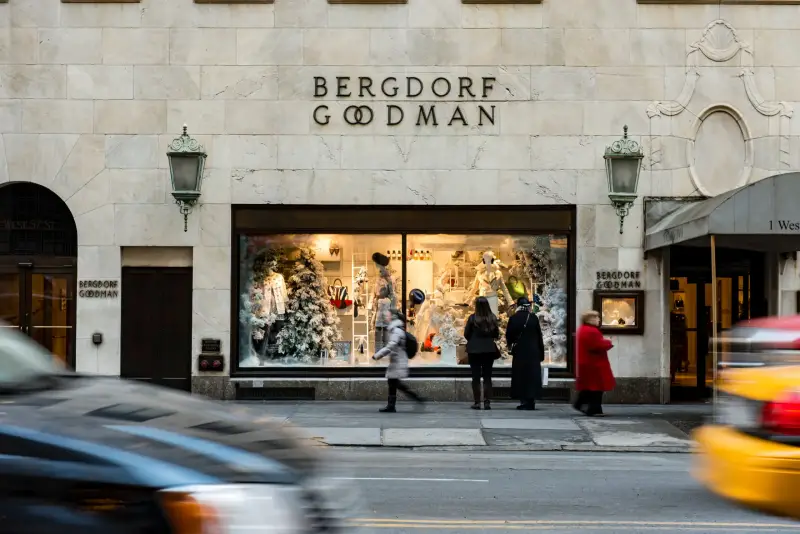
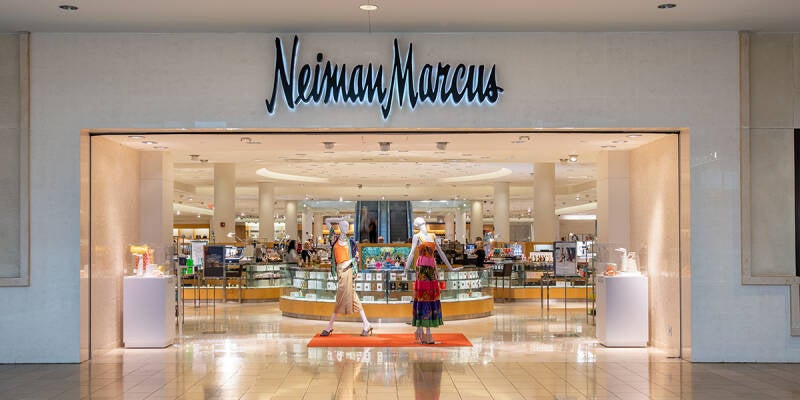
So, who actually holds the power now? The answer is almost everyone and no one. Designers, Luxury houses, editors, buyers, retailers, and creators still matter. Although, consumers matter more than ever. The difference is that none of these groups operates completely independently anymore. A designer may create a collection inspired by something that went viral online. A creators may make a previously overlooked product sell out. A retailer may use sales data to determine which trends deserve more investment. A luxury brand may collaborate with a cultural figure to rebuild relevance. A consumer may turn a thrifted piece into the next viral trend before a major brand even notices it. The traditional fashion hierarchy has become a loop. Everyone influences everyone else.
This Might be Fashions Most Interesting Shift Yet
For an industry that has historically been obsessed with exclusivity, fashion is becoming remarkable democratic. Not necessarily in terms of price- luxury remains luxury- but in terms of who gets to participate in the conversation. You no longer have to be a designer, editor, buyer, or celebrity to influence what people wear. You can be a stylist with a niche following, a vintage seller, a TikTok creator, a college student with impeccable personal style, a store employee who understands their customers better than a corporate marketing department, or simply someone who wears something interesting enough that another person asks, "Where did you get that?"
That is the new fashion power structure. Perhaps the biggest change is that fashion's new power players aren't necessarily the people with the biggest platforms. They are the people who understand culture, community, and connection.
The Fashion Desk Take
Fashion has always been about more than clothing. It is about who gets attention, who gets copied, and who gets to decide what is considered desirable. What is changing now is who hets to make that decision
Retailers are moving upstream. Creators are moving product development. Luxury houses are looking outside traditional fashion circles for cultural relevance. Stores are becoming experiences. Social platforms are becoming storefronts. The boundaries are disappearing. That is what makes this moment in fashion so interesting. The future probably won't belong exclusively to luxury houses, retailers, or influencers. It will belong to the people who can connect all three. Because in. 2026, the most powerful fashion brand may not be the one with the biggest runway show or the most expensive handbag. It may be the one that understands exactly why people care.
Add comment
Comments