The newest thing in Fashion is usually something we have already seen before.
Fashion is supposed to move forward. Every season brings a new collection, a new silhouette, a new "it" item, and a new aesthetic, we are told will define the moment. Yet somehow, the more fashion changes, the more familiar it looks.
Y2K comes back. Then 90s minimalism. The 70s bohemia. Then ballet flats. Then low-rise jeans. Then oversized tailoring. Then suddenly something that was considered painfully uncool ten years ago is sitting at the center of every trend forecast.
Fashion doesn't really move in a straight line. It loops.
And in 2026, that loop feels faster- and more visible- than ever.

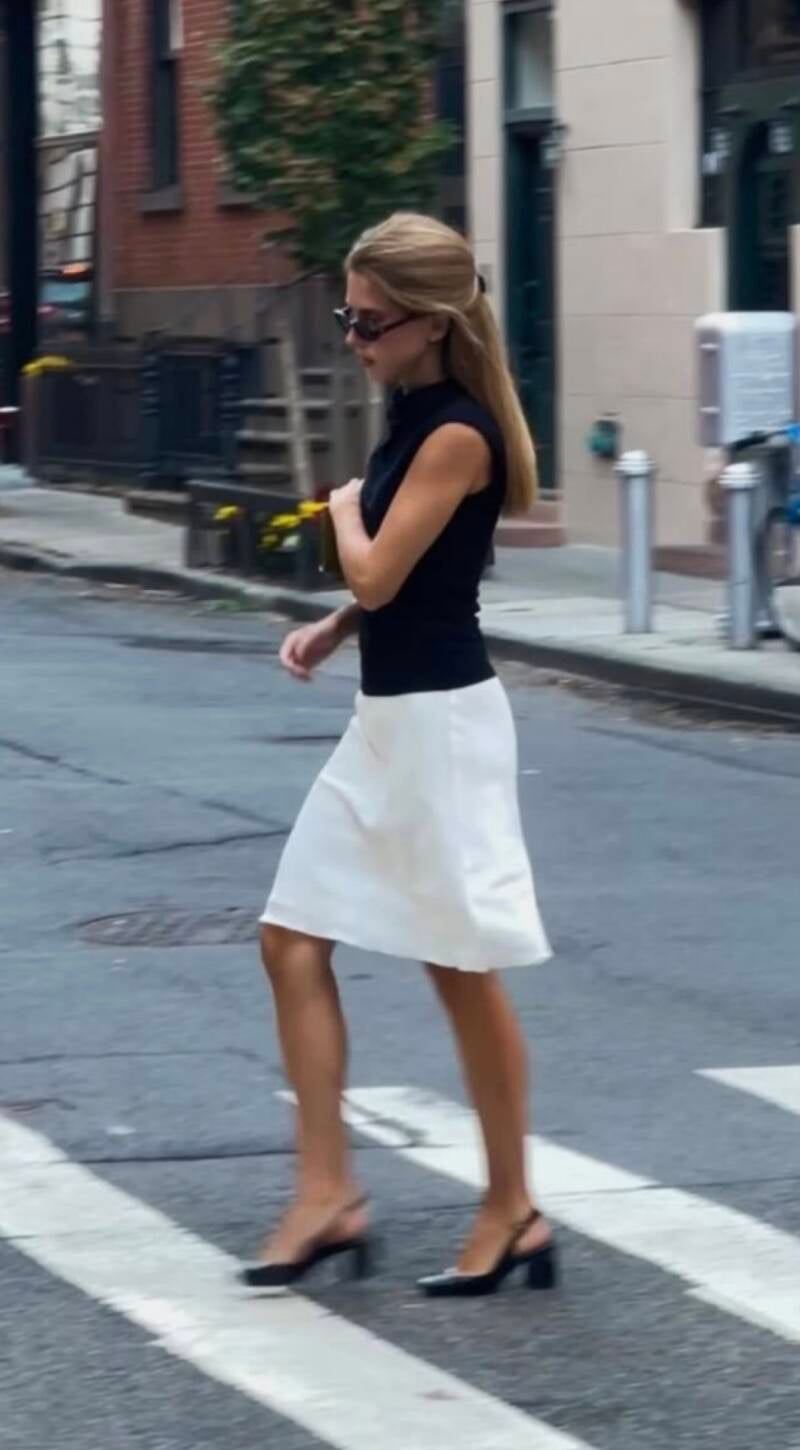
Y2K 90s Minimalism

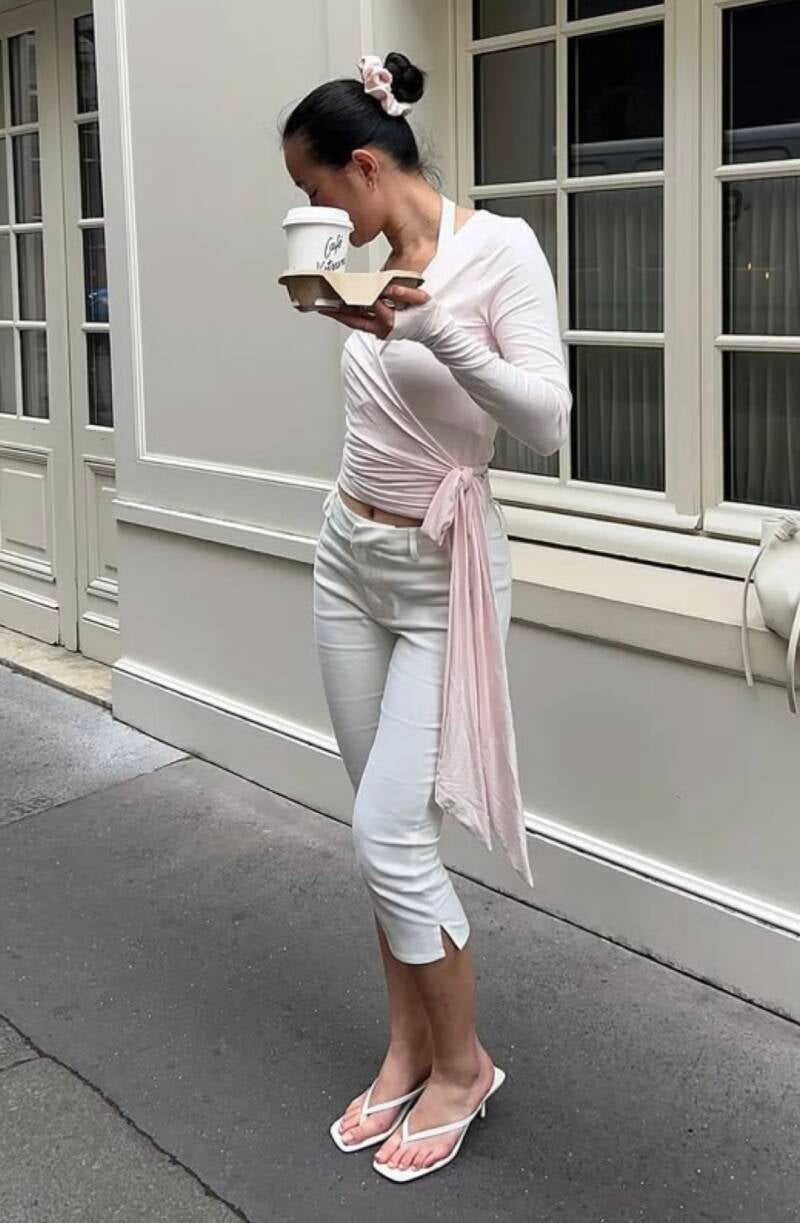
70s Bohemia Ballet Core
We've seen this before
The easiest way to understand fashion's relationship with the past is to look at what is currently considered "new".
The return of low-rise silhouettes? We've been there. Tiny sunglasses? Seen it. Chunky sneakers? Definitely been there before. Vintage denim, ballet flats, leather jackets, baby tees, oversized blazers, maxi skirts, and more have all experienced multiple lives.
But the interesting part isn't that fashion repeats itself. It always has. Whats changed is how quickly we recognize the repetition.
Before social media, a trend could disappear for twenty years before making its way back into the mainstream. Now, an old runway collection can resurface on TikTok overnight. A celebrity wearing an archival look can send people searching for the original designer. A Pinterest board can make a 1970s silhouette feel relevant again before the season is e ver over.
Fashion history isn't hidden anymore. It is searchable.
The Internet has Turned Fashion History into a Mood Board
Social media has completely changed the relationship between fashion and time.
We used to experience fashion as a relatively linear progression: one decade ended, another began, and trends slowly evolved. Now, every other decade is available simultaneously. Your phone can show you a 1997 runway show, a 2004 paparazzi photo, a 1970s editorial and a 2026 street-style look within the span of a few minutes.
This. has made fashion less about inventing something completely new and more about reinterpreting what already exists. And Honestly, that's not a bad thing. Some of the most interesting fashion happening right now comes from people who know enough about fashion history to pull from it intentionally. The difference is context.
Wearing a vintage inspired look because you genuinely love the silhouette is different from buying something simply because TikTok has declared it an aesthetic.
One is personal style.
The other is a trend cycle.
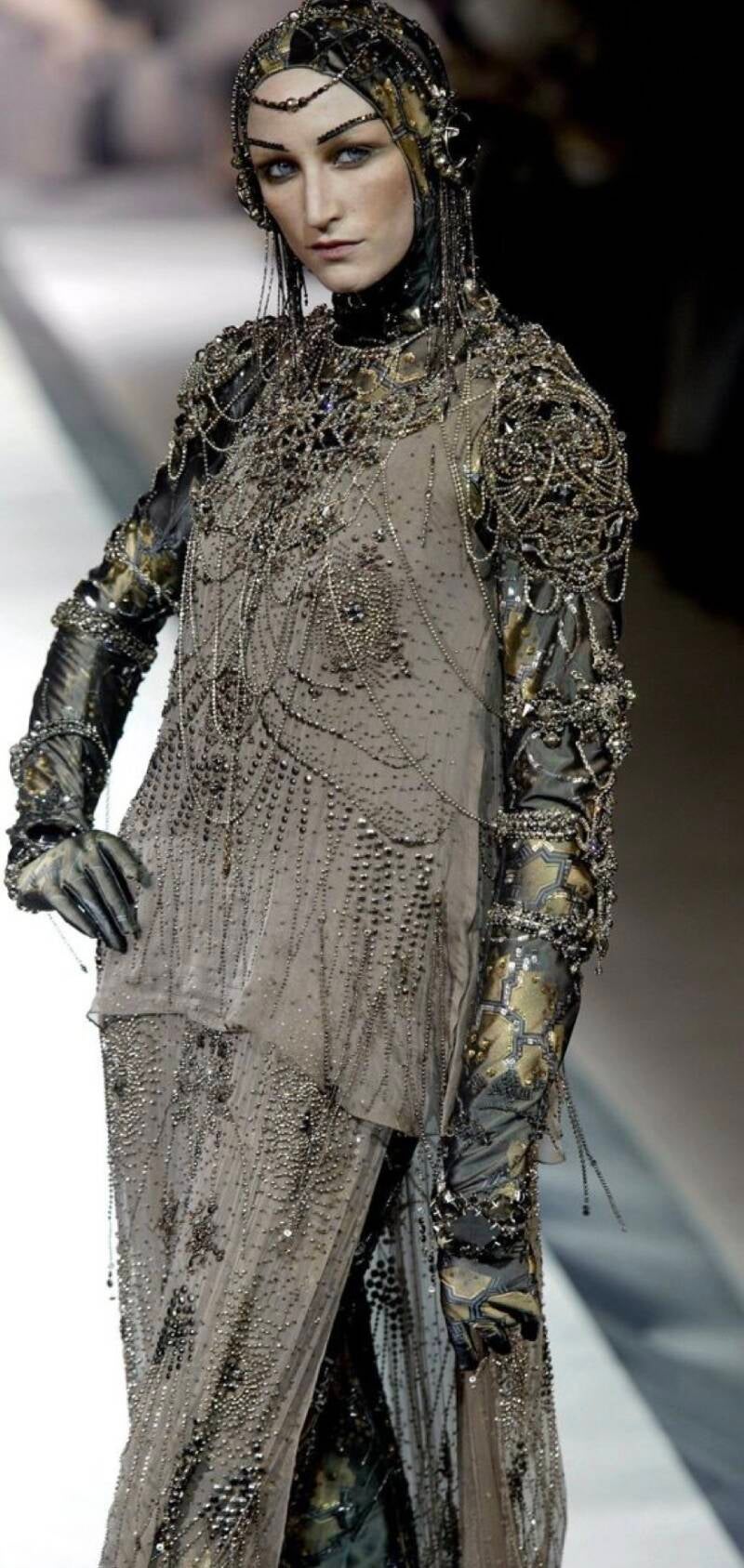
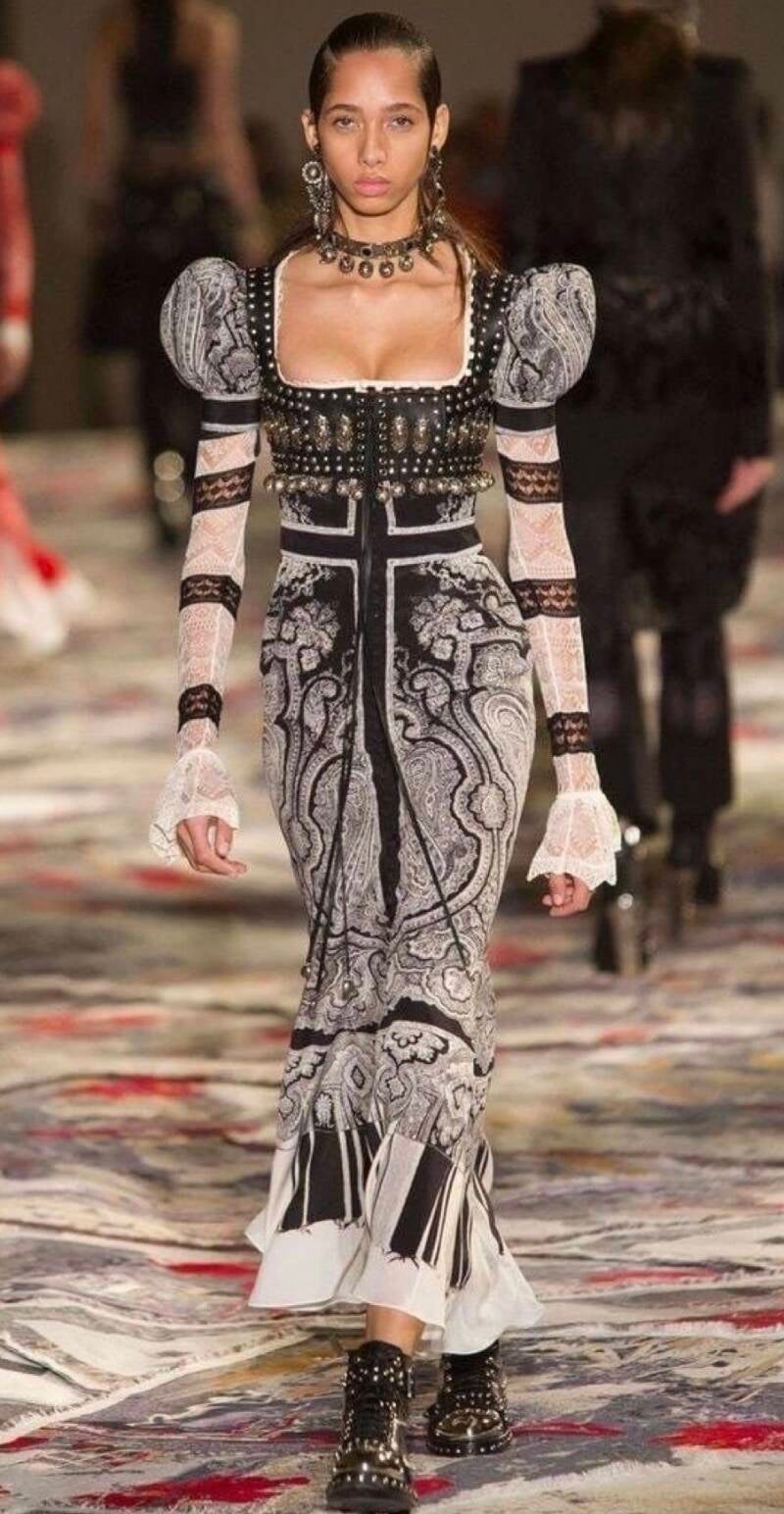
Jean Paul Gaultier AW2003 (inspired by Medieval Era) Alexander McQueen SS2017 (Inspired by Medieval Era)
The Problem with Calling Everything a Trend
This brings us to one of fashion's current problems: everything is being labeled a trend. Every week there seems to be a new aesthetic. Coastal grandmother, office siren, ballet core, indie sleaze, clean girl, and whatever comes next.
The speed is exhausting.
A trend barely has time to become recognizable before the internet has moved on to its opposite.
Minimalism becomes Maximalism. Skinny jeans become wide leg jeans. Neutral colors become saturated colors. Gold turns into silver again. Then silver turns back to gold. The cycle isn't necessarily producing more creativity. Sometimes it is simply producing more consumption.
That is where fashions looping nature become complicated. If we're constantly being told that what we already own is outdated, the easiest way to participate is to buy something new. But perhaps fashion's next evolution isn't about keeping up with the loop. Maybe it is about stepping outside of it.
The Rise if Personal Style
One of the most interesting reactions to trend fatigue is a growing interest in personal style. Instead of asking "Whats trending?" people are increasingly asking "What actually feels like me?"
That shift is especially visible through vintage and resale fashion. Consumers aren't necessarily searching for whatever is newest. They re looking for pieces with a history, personality, and staying power. A vintage jacket isn't interesting simply because its vintage. It is interesting because it can feel completely different from what everyone else is wearing.
An archival designer piece isn't valuable just because it comes from another decade. It carried a reference point- a particular collection, designer, era, or cultural moment. The past becomes a source of individuality rather than something to simply copy. Maybe that is the smartest way to participate in fashion's endless cycle.
Trends Don't really Repeat. They get Reinterpreted.
There is an important distinction between repetition and reinterpretation.
A trend rarely returns exactly as it was. The 2026 version of a 90s silhouette isn't necessarily the same as the original. The styling is different. The fabrics are different. The proportions change. The cultural context changes.
That is what keeps fashion interesting. Fashion designers are not simply opening an old textbook and copying the past. They are taking familiar references and asking what they mean now.
A silhouette that once represented rebellion might eventually represent nostalgia. A style that was once considered unfashionable can become desirable precisely because enough time has passed for it to feel fresh again.
Fashion doesn't erase its past.
It repackages it.

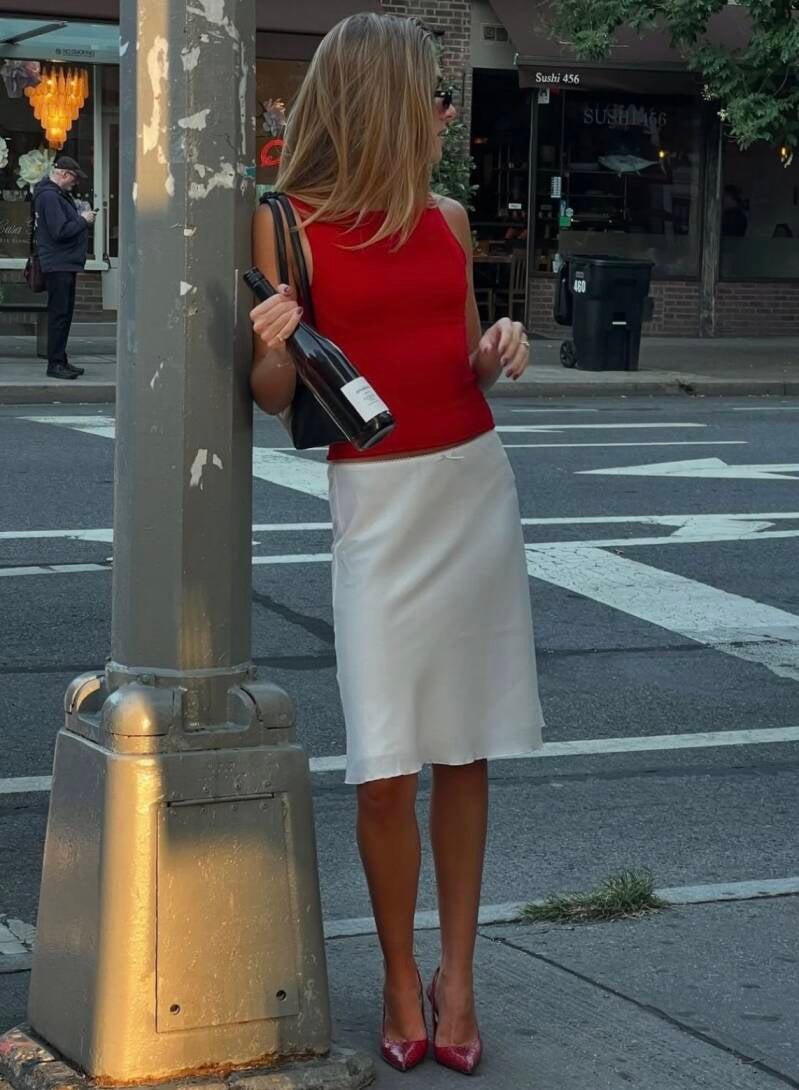
Low-Rise Denim in 2026 90s Minimalism in 2026
The Most Interesting Clothes Might be the Ones Between Eras
Maybe the future of fashion isn't going to belong to one specific decade. Maybe it is going to belong to the person who mixes them all.
A vintage 70's jacket with modern denim. A 90's inspired slip skirt with contemporary sneakers. A classic tailored coat with something completely unexpected underneath. An archival handbag with a very current outfit. The most compelling wardrobes aren't necessarily the ones that perfectly represent one aesthetic. They are the ones that feel like a conversation between different eras.
That is where personal style becomes more interesting than trend participation. When you stop trying to dress like one specific moment, you can start building a wardrobe that feels like your own timeline.
So, Where Does Fashion go from here?
Forward? Probably Not.
And maybe thats the point.
Fashion's inability to move in a straight line is part of what makes it fascinating. Every generation gets to rediscover the same silhouettes, references, and ideas. They give them a completely different meaning. The fashion industry may sell the idea of newness, but fashion itself has always been built on memory. The real skill isn't predicting what will become popular next. It is knowing what is worth bringing back- and what should stay in the past.
Because fashion doesn't move forward, it loops.
Somewhere inside that loop is where the most interesting style happens.
Add comment
Comments