How street style, social media, and real life fashion are changing what it means to watch Fashion Week.
There was a time when Fashion Week meant one thing: getting inside the room.
A runway. A front row. A collection. A handful of editors, buyers, celebrities, and industry insiders deciding what would matter next.
Now, the fashion conversation starts before the models even step foot onto the runway- and it certainly doesn't end when the show does.
New York's Fashion Week's Spring/Summer 2027 season is currently taking over New York from September 10 through September 15. It is bringing designers, celebrities, editors, buyers, creators, and fashion enthusiasts together across the city. The official schedule includes established names alongside new voices, but some of the most interesting fashion moments are happening for beyond the runway itself.
Today, Fashion Week isn't something you just attend. It's something you scroll through. And increasingly, the sidewalk might be just as important as the runway.
Fashion Week Left The Runway
The runway is still the heart of Fashion Week. It is where designers present the clothes they have spent months developing, where new collections establish a visual direction, and where the industry gets it's first real look at what is coming next.
But the way we experience those collections has completely changed.
A show can be live streamed. A celebrity look can hit instagram within minutes. A street-style photograph can circulate before the collection has even finished walking. A creator standing outside a venue can generate thousands of views simply by explaining what everyone is wearing.
Even the CFDA and Rockefeller Center are leaning into this shift, with NYFW shows being live streamed from Rockefeller Center during this season's official Fashion Week.
The front row is no longer limited to the people sitting there.
The audience has gotten so much bigger, and the sidewalk is becoming it's own runway.
Maybe the biggest change is happening outside the shows.
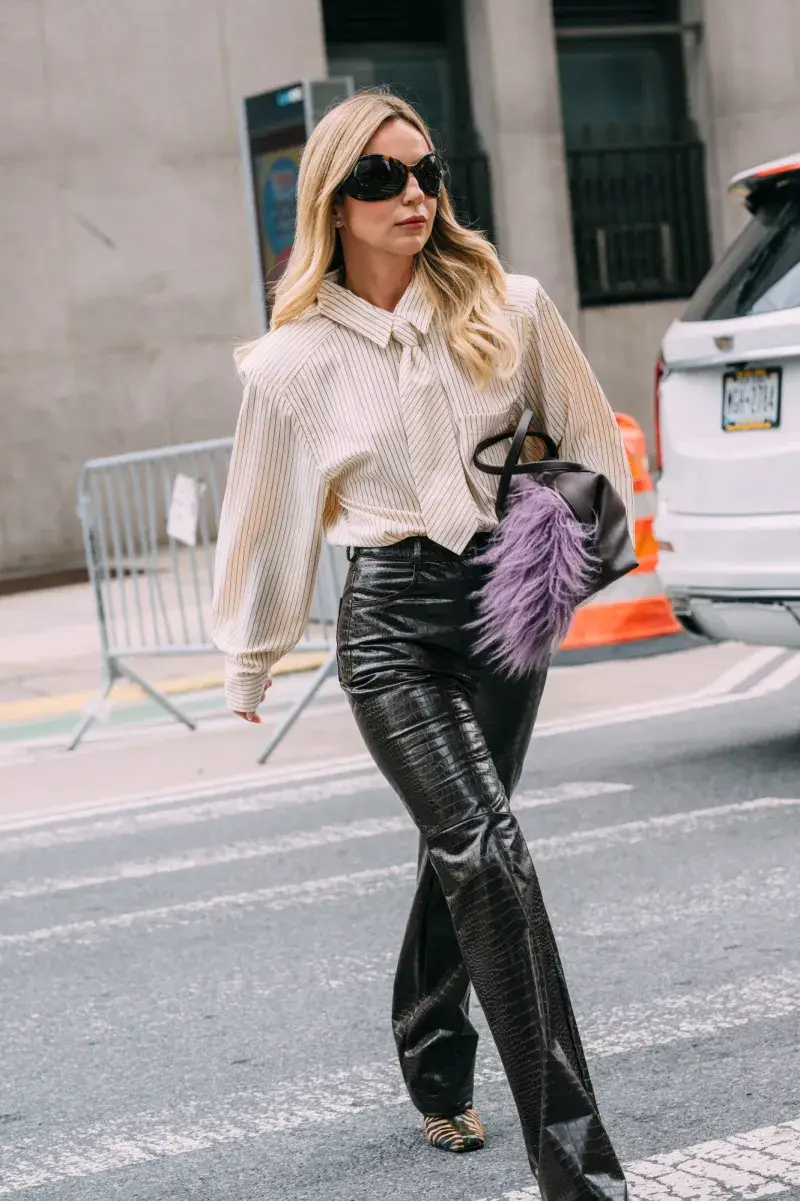
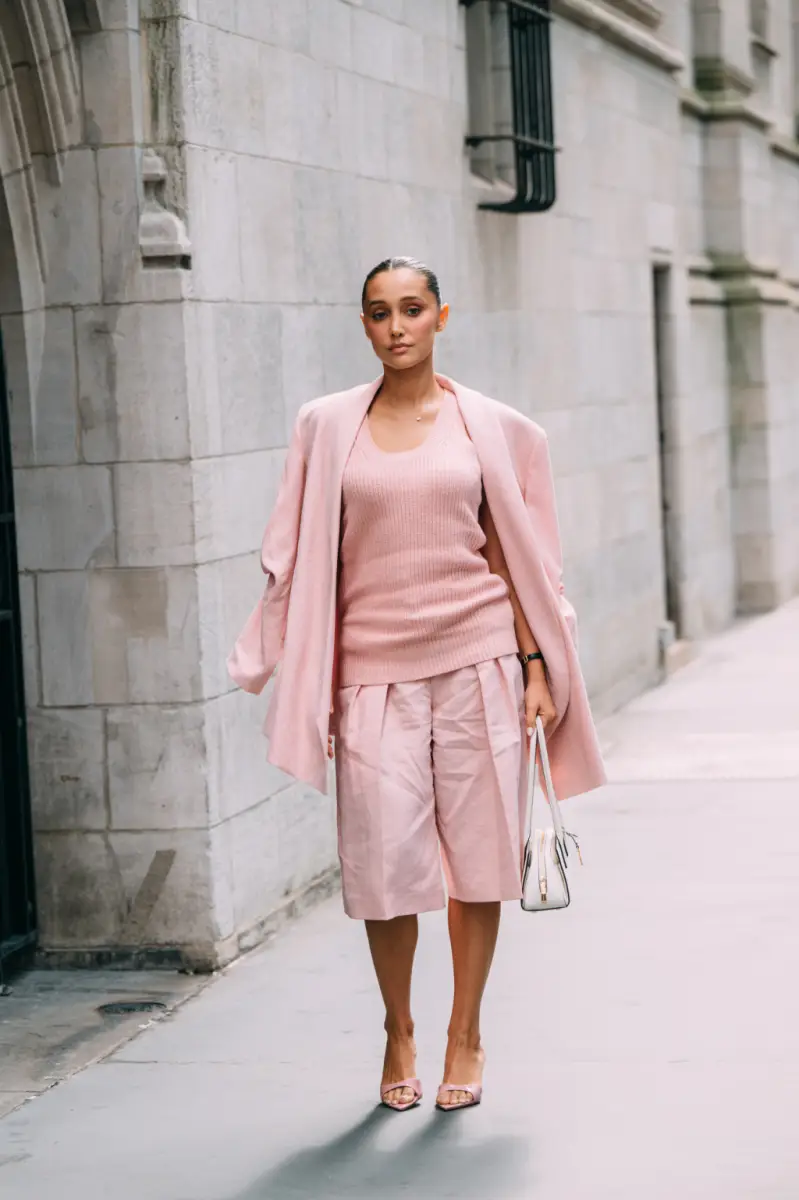
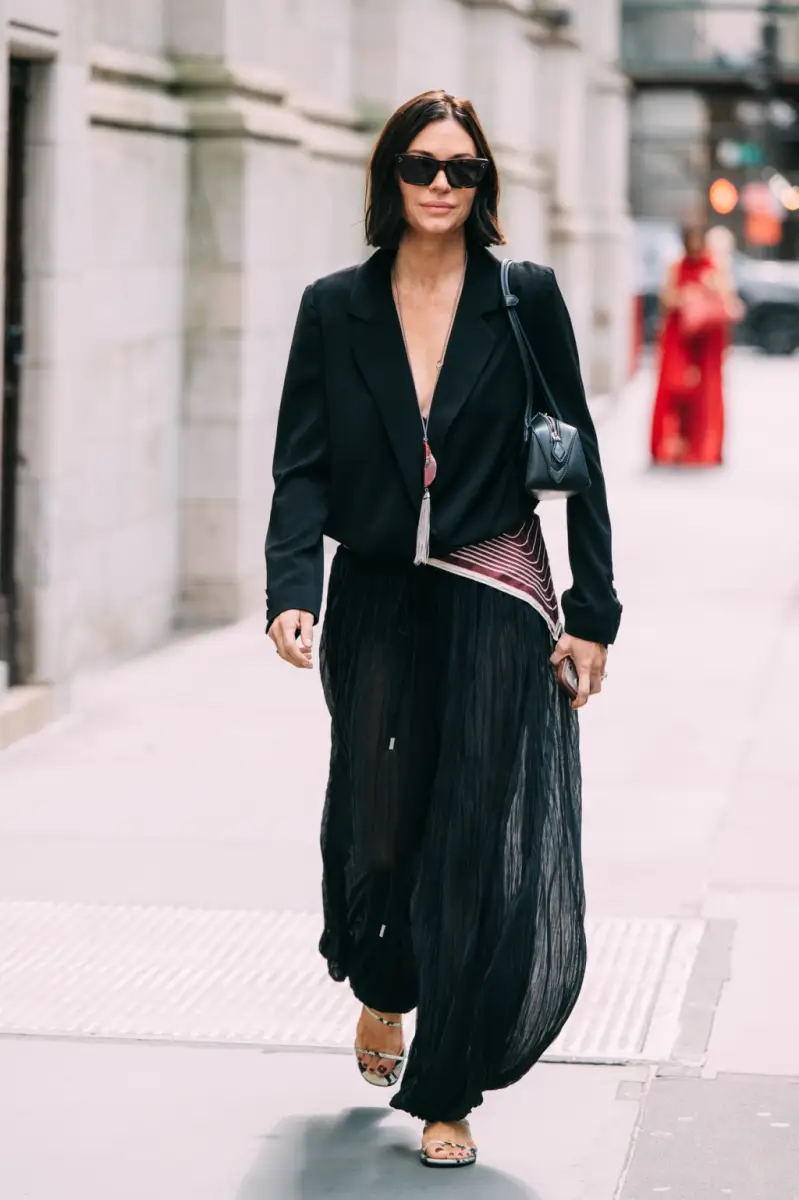
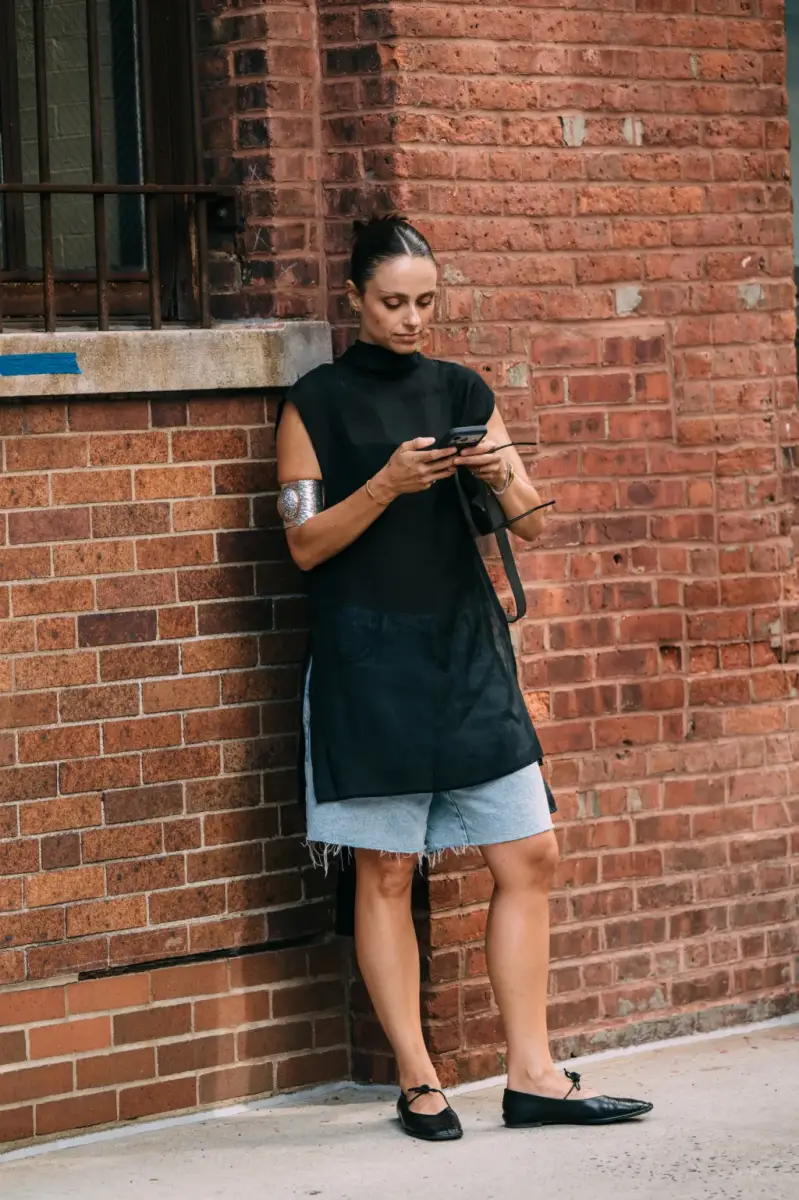
Street style has always been part of Fashion Week, but it has evolved from being a supporting character into a story of its own. Photographers aren't only looking for what designers sent down the runway- they're looking for what people are actually choosing to wear.
And this season, New York's sidewalks are giving us plenty to look at.
Early street style coverage from Spring/Summer 2027 has highlighted bold prints, playful pattern mixing, western-inspired details, statement accessories, relaxed tailoring, and unexpected combinations of summer and fall pieces. That mix is interesting because it feels less like a single trend and more like a return to personal style.
One person is wearing a structured blazer with something unexpected. Another is leaning into Western details. Someone else is mixing prints that technically shouldn't work- but somehow do.
Thats what makes street style so compelling. There are no rules about whether the look was supposed to happen. It just did.
The New Front Row Is Your Feed
Social Media has essentially turned everyone into a Fashion Week spectator.
You don't have to know a designer personally. You don't need a press credential. You don't even need to be in New York.
You can wake up, open TikTok or Instagram, and immediately see what happened the night before.
A collection that might once have reached only fashion editors and buyers can now become part of a global conversation within minutes. But that accessebility has created something else: Fashion Week is no longer just about presenting clothes. It's about creating moments.
A dramatic silhouette photographs well.
A recognizable celebrity creates engagement.
A nostalgic reference gives people something to talk about.
A particularly strange accessory can become the thing everyone remembers.
And suddenly, the questions isn't only "Is this a good collection?" It is also: "Will people want to talk about this?"
Are Brands Designing for the Feed?
This is where Fashion Week gets a little more complicated.
Social media has undoubtedly made fashion more accessible, but it has also changed the incentives surrounding it. There is pressure to created clothes that are instantly recognizable. Collections need images that can travel. Shows need moments that can become content. Sometimes, that results in genuinely exciting fashion.
Other times, it can make fashion feel like it's trying too hard to become a viral moment. The spectacle becomes a part of the product. And there is nothing inherently wrong with that. Fashion has always been theoretical. Runway shows have never simply been clothing presentations- they are storytelling, fantasy, and performance.
But social media has shortened the distance between fashion and entertainment.
The best collections now have to exist in two places at once: on the runway and on the screen.
The Rise of the Fashion Personality
Perhaps the most interesting part of this shift isn't the clothing at all.
It is who gets to influence what we want to wear. Designers still matter. Editors still matter. Buyers still matter. But now, stylists, creators, celebrities, photographers, and everyday fashion people can influence the conversation almost instantly. Fashion authority feels less centralized than it once did. Honestly, it is very exciting.
This fashion can come from unexpected places. Creators can introduce an emerging designer to an audience that would have never discovered them through a traditional fashion publication. A street-style look can inspire thousands of people. A vintage find can suddenly feel relevant again.
Fashion has become more conversational. We're not just being told what is next. We're participating in deciding what comes next.
So, What Are We Actually Wearing?
Maybe the mistake is thinking that Fashion Week has to be one thing. It doesn't.
The runway matters. The collection matters. The designer's vision matters. But so does the person wearing a look outside of the show. So does the creator posting a styling video. So does the buyer deciding what customers will actually see in stores. So does the person scrolling through instagram and thinking, I want to wear that.
Fashion Week has expanded beyond the venue. The runway is where the story begins- but now, the audience gets to help write the rest of it. Maybe, that is the most interesting part. The future of fashion isn't happening exclusively in a studio, a showroom, or a runway. It is happening everywhere people are choosing to get dressed.
Notes From The Desk
If there is one thing this NYFW is reminding us, it is the fashion doesn't belong to one room anymore.
The front row is bigger. The sidewalk is louder. The audience is global.
The most influential fashion moment may not be the one carefully planned by a designer at all. It might be the one someone puts on simply because they like it.
The real front row is your For You Page. Let’s be honest: the most influential seat in fashion isn’t at the end of a velvet rope—it’s on the couch, thumb hovering over the skip button. If a look can’t arrest a scrolling audience in under three seconds, it’s not a hit. Designers who still stage shows as if they’re private rituals for insiders are missing the point—and the moment.
Runways are moodboards; sidewalks are market tests. Street style used to be garnish; now it’s the proof of concept. The looks that win are the ones that survive the cab door, the turnstile, and the 20-minute walk to a show in the rain. Pragmatism is not a dirty word. If it can’t be worn without a stylist and a handler, it’s content, not clothing.
The most daring silhouette this season is a realistic price tag. Call it the quiet luxury hangover: consumers are bored with stealth wealth that whispers “if you know, you know.” They know—and they’re choosing brands that deliver design without moral injury to the wallet. The labels that meet them halfway—capsule drops, modular pieces, honest materials—are building loyalty while everyone else chases virality.
Celebrity capsules are the new fast fashion—and they’re aging just as fast. Slapping a famous face on middling basics isn’t a strategy, it’s an expiration date. Audiences are savvier than the marketing decks give them credit for. If the collab doesn’t move the design conversation forward, it’s just merch with a glossier PDF.
Craft is cool again—if it comes with receipts. Handwork matters, but not as a museum label. The best houses are showing their process in daylight: close-ups of stitching, maker credits, even repair policies. Transparency isn’t a trend; it’s table stakes. The romance of craft is stronger when you can see the calluses.
Archives aren’t security blankets. Half the industry is rifling through its own attic, but nostalgia is lazy if it doesn’t interrogate why something worked then and what it needs to say now. Reissues should be arguments, not photocopies. The archive is a dialogue partner, not a babysitter.
Inclusivity counts at the casting call and at checkout. Diversity on the runway without accessibility in sizing, shade ranges, and shipping regions is performance. The brands actually moving culture are thinking from XS to 5X, from Lagos to Louisville. Representation without access is just another campaign.
Sustainability theater is over; measurable impact is in. “Eco” palettes and recycled set pieces don’t cut it. Consumers want receipts: lifecycle data, circular programs that actually recirculate, and garments designed for repair, not landfill. The flex this season is a take-back label, not a branded tote.
Beauty is breaking up with maximalism—kind of. While skin is trending toward believable and hair is loosening its grip on glassy perfection, the statement has migrated to one focal point: a brutalist ear cuff, a venomous lip, a chopped bang. The new polish is asymmetry with intention.
Editors aren’t gatekeepers; they’re translators. The job now is to decode the runway for the algorithmically overwhelmed—what matters, how to wear it, what to skip. It’s not about calling trends; it’s about curating relevance. Fewer breathless superlatives, more service journalism with a spine.
Micro-scenes are the new megatrends. Instead of a single “It” silhouette, we have overlapping vernaculars: corporate goth tailoring, pastoral techwear, balletcore’s tougher cousin with biker edges. The winning brands learn to speak multiple dialects without losing their mother tongue.The best show this week might be a showroom.
Off-calendar presentations, invite-only fittings, and micro-drops have more creative oxygen than some tentpole spectacles. Intimacy scales better than bombast. If you want influence, start with trust, not drones
Merch tables are strategy. Zines, patches, charms, and deadstock curios are building brand universes that don’t require a four-figure buy-in. The smartest labels treat small goods as narrative breadcrumbs—entry points to a world you want to revisit.
Tech should solve problems, not create gimmicks. AR invites and AI lookbooks are fun until they’re barriers. The only digital flex that matters: experiences that reduce friction—fit tools that actually fit, pre-order windows that respect production, and digital IDs that help you repair or resell.
Menswear is where risk lives. While womenswear negotiates a détente between quiet and loud, menswear is experimenting with proportion, sensuality, and color like it means it. The future looks less gendered and more specific: personal uniforms with personality leaks.
Luxury is getting louder—but the best whispers still carry. Logos are creeping back with a knowing wink, but the pieces with staying power have stealth details: a seam that sits just so, a pocket that saves your day, a fabric that holds its shape through life, not just a look.
If you wouldn’t wear it twice, don’t clap. The standing ovations should be for clothes that work hard: a coat you want to inherit, a shirt you reconfigure three ways, a dress that takes you from meeting to mischief. Fantasy has a place—but if it never leaves the pedestal, it’s costume.
Final word: influence is earned in daylight. The future of Fashion Week is porous—part runway, part retail lab, part group chat. The winners will be the ones who invite us in early, tell us the truth often, and design for the messy, brilliant lives we actually live.
Add comment
Comments